Introduction
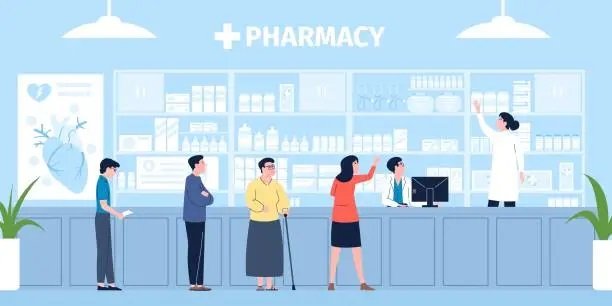
Owners and pharmacists face specific hazards when operating a pharmacy, including drug errors, product liability claims, and consumer slip-and-fall incidents. Selecting the appropriate insurance for a pharmacy is crucial for maintaining reputation, adhering to legal requirements, and safeguarding assets. This book covers the most critical aspects, common factors influencing Insurance for Pharmacy Business Guide costs, and guides on selecting the best pharmacist liability insurance for your pharmacy.
Why Pharmacy Businesses Need Specialized Insurance
- Highly dangerous prescription drugs, if given improperly, are handled by pharmacies.
- Retail consumer traffic, controlled substance storage, and occasionally production or compounding are all examples of operations.
- The specific safeguards required for pharmaceutical liabilities are often absent from standard company insurance plans.

Core Types of Insurance for Pharmacy Business
1: General Liability Insurance
- What it covers: Third-party property damage and bodily harm on your property.
- Why pharmacies need it: Prevents consumer injuries and slip-and-fall claims within the store.
2: Professional Liability Insurance for Pharmacists
- Also known as: Pharmacists’ Errors and Omissions (E&O).
- It covers: Claims resulting from professional errors, such as improper dose, improper distribution, or inadequate counseling.
- Key phrase: The main element of the finest pharmacist liability insurance is this.
3: Product Liability Insurance
- What it covers: Claims involving tainted goods, flawed medications, or errors in packing.
- Why it matters: Lawsuits related to products can be brought against pharmacies and pharmaceutical companies alike.
4: Pharmacy Property Insurance
- It covers: Damage to your inventory, temperature-sensitive stock, equipment, and structure.
- Special note: Coverage should include vaccine and biologic deterioration prevention and refrigerated storage.
5: Business Owner’s Policy (BOP)
- What it includes: business interruption, property insurance, and general liability.
- Why consider it: For small to mid-sized retail pharmacies, it is often more economical.
6: Workers Compensation Insurance
- It covers claims: for illnesses and injuries sustained by employees as well as associated salary and medical compensation.
- Regulatory note: Typically mandated by legislation for companies that employ people.
Additional Coverages for Pharmaceutical Companies
- Clinical Trial Liability: For businesses that carry out such studies.
- Costs and damages: incurred during required or voluntary product recalls are covered by product recall insurance.
- Manufacturing Liability: Guards against contamination and flaws in production.
- Regulatory Liability: Assists in managing penalties and defense expenses associated with violations of regulations.

How Much Does Pharmacy Business Insurance Cost
- Primary cost drivers Include Location, yearly income, workforce size, inventory value, claims history, and coverage limitations, which are the main factors that affect costs.
- Typical ranges: Depending on restrictions and add-ons, small retail pharmacies may pay anywhere from a few thousand to tens of thousands of dollars annually.
- Pharmacist liability pricing: Policy limits, state laws, and past claims all impact professional liability prices, which tend to rise with larger limits and lower deductibles.
- Ways to lower cost: Cost-cutting strategies include raising deductibles, enhancing safety procedures, keeping a spotless claims record, and bundling policies in a BOP.
How to Choose the Best Pharmacist Liability Insurance
Evaluate certain exposures:
- Assess the amount of medication you provide, whether you combine drugs, and whether you offer MTM or vaccinations.
Examine the exclusions and limits of the policy:
- Give top priority to policies that cover counseling and telepharmacy errors, settlement negotiations, and defense expenses.
Examine the experience of the insurer:
- Choose insurers who understand the risks associated with the pharmacy and pharmaceutical industries.
Verify adherence to regulations:
- Verify that the policy complies with any licensure or pharmacy board standards in your area.
Seek assistance with risk management:
- Long-term risk and premiums are decreased by insurers who offer loss-prevention training, audits, and cyber hygiene resources.
When feasible, bundle:
- A BOP or multi-policy package frequently lowers overall costs while streamlining management.
Checklist Before You Buy Pharmacy Business Insurance
- Obtain formal quotations that include comprehensive exclusions, deductibles, and restrictions.
- Check the financial stability and license of the insurer.
- Verify if telepharmacy, vaccines, and compounded medications are covered by the coverage.
- Inquire about extended reporting or tail coverage for professional liability plans that cover claims.
- Examine the policy’s provisions about fines, regulatory defense, and punitive damages.
- Ensure that temperature-sensitive inventory deterioration is adequately covered.
FAQs
Since it guards against malpractice and prescription errors, professional liability insurance is the most important.
2. How much does business insurance for pharmacies cost?
Depending on location and coverage, small pharmacies can incur annual costs ranging from $2,000 to $6,000.
3. Is individual liability insurance required for pharmacists?
Yes, particularly if they offer consultancy services or operate independently. It guarantees individual defence against lawsuits.
Of course. Cyber insurance protects against security breaches and HIPAA violations when patient data is stored digitally.
5. Is it possible to combine pharmacy insurance plans?
Yes, many insurance companies offer discounted liability, property, and cyber coverage in combined packages.
Conclusion
Prioritising insurance helps pharmacies create confidence with partners and patients while also protecting themselves. Take action now—whether you manage a pharmaceutical firm or a small retail pharmacy, secure comprehensive insurance today to ensure your business succeeds in a risky, competitive environment.